
Let’s Be Real: Journaling Isn’t One-Size-Fits-All
If you’re anything like me (a slightly chaotic creative human with an ADHD brain and a million notebooks), journaling probably sounds amazing in theory… until you sit down and think: “Okay, what now?”
I used to think journaling meant either keeping a strict daily diary or bullet journaling like a Pinterest pro. Turns out—there are so many types of journaling. And the magic is in finding the one that actually feels good for you.
Whether you’re trying to calm your mind, process emotions, plan your life, or just get your thoughts out of your head and onto paper—there’s a style of journaling that can support you.
So let’s dive into 9 types of journaling and how each one can help you feel more grounded, creative, and connected to yourself.
1. Daily Journaling
This one’s the classic: writing a little something every day. No pressure to write a novel—just a few thoughts, memories, or check-ins.
Great for: Building consistency, mental clarity, reflection
Pro tip: Use a guided journal if a blank page feels intimidating.
2. Gratitude Journaling
I resisted this one for ages because it felt a little… forced? But hear me out—it works.
Writing down 1–3 things you’re grateful for daily or weekly genuinely rewires your brain for positivity. And on those “meh” days, looking back at old entries? Instant heart boost.
Great for: Mood improvement, mindfulness, emotional resilience
Prompt idea: “What tiny moment made me smile today?”
3. Bullet Journaling (BuJo)
Ah yes, the beloved Bullet Journal. It’s more than just checkboxes and pretty spreads. It’s a system you build for your brain.
Whether it’s task lists, trackers, goals, or little doodles—it can be as minimal or as artsy as you like.
Great for: Organization, productivity, creative planning
ADHD tip: Don’t overcomplicate. Start with just a weekly log and a habit tracker.
4. Thought Dump / Brain Dump Journaling
My personal favorite (and an ADHD lifesaver). A brain dump is exactly what it sounds like: writing everything that’s swirling in your mind without editing, organizing, or filtering.
Messy? Yes. Cathartic? Also yes.
Great for: Overwhelm, anxiety, ADHD brains
Prompt idea: “What’s taking up the most space in my mind right now?”
5. Art Journaling
Not into words? No problem. Art journaling combines visual expression with emotional exploration. Paint, collage, doodle, scribble—there are no rules.
Great for: Creative self-expression, inner child healing, visual thinkers
Tip: Use recycled paper or make your own journals. It takes the pressure off.
6. Prompt-Based Journaling
Some days you need a nudge. Journal prompts help you explore your emotions, memories, and thoughts without overthinking.
It’s perfect for beginners—or anyone feeling stuck.
Great for: Reflection, self-discovery, healing
Prompt to try: “What do I wish I hadn’t done today?”
(Thanks, Dr. Lindsay Gibson—this one changed my life.)
7. Shadow Work Journaling
This one goes deep. Shadow work is about exploring the parts of yourself you usually avoid or suppress. It’s raw, powerful, and not always pretty—but so healing.
Great for: Emotional healing, inner work, personal growth
Prompt idea: “What parts of myself do I avoid—and why?”
8. Travel Journaling
Perfect for the wanderers at heart. This type blends memories, sketches, tickets, reflections, and even mini scrapbooking. It’s your trip, told through your lens.
Great for: Memory keeping, creativity, storytelling
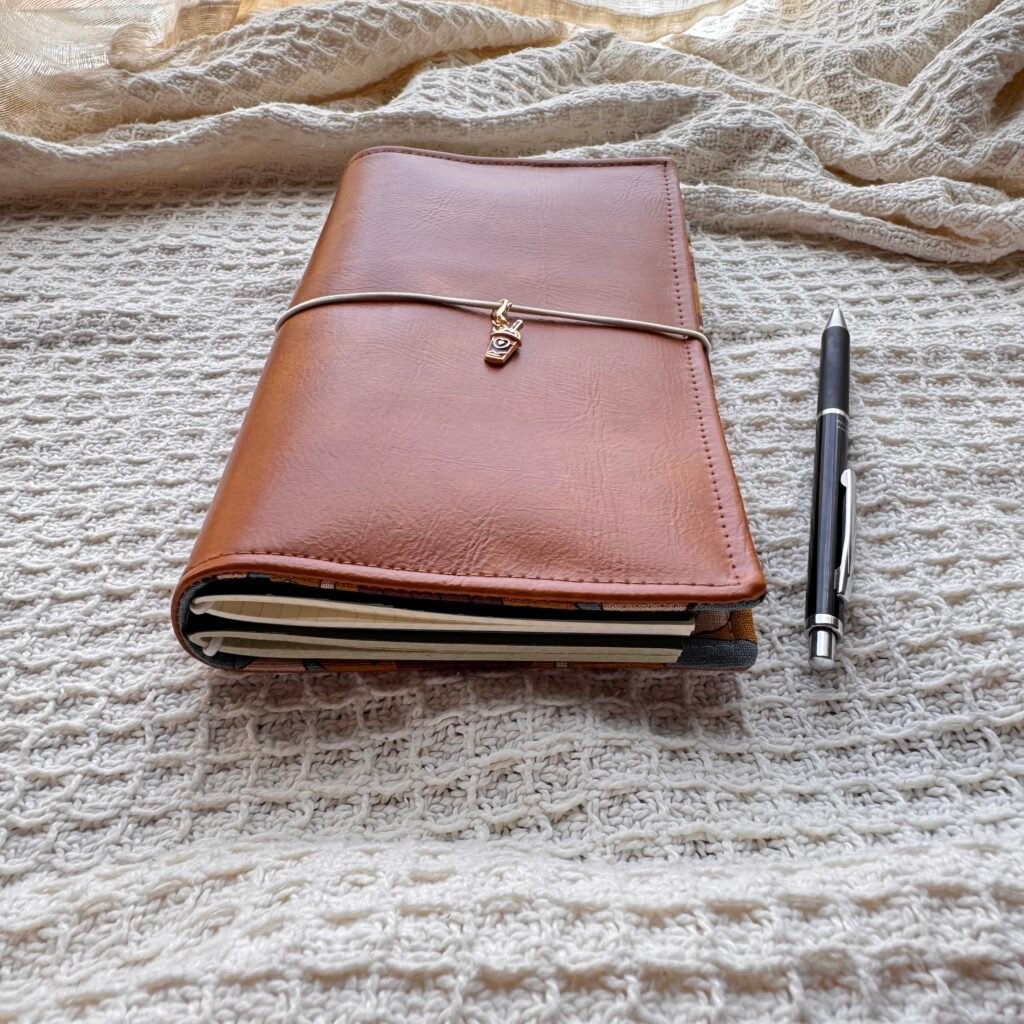
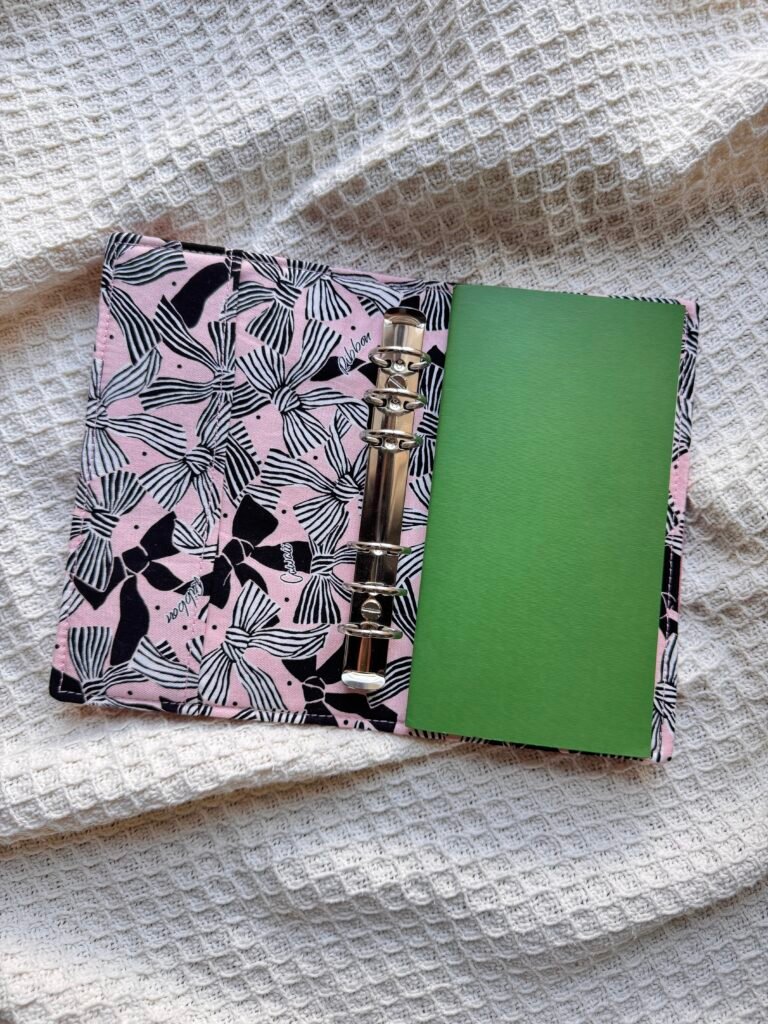
Tip: Use a Traveler’s Notebook so you can add or remove pages as needed.
9. Junk Journaling
Junk journaling is where creativity meets chaos—in the best way possible. Think of it as a scrapbook, diary, collage, sketchbook, and memory-keeper all rolled into one. You can use scraps of paper, tickets, washi tape, old book pages, fabric—literally anything that inspires you.
It’s about freedom, not perfection.
You don’t need neat handwriting, straight lines, or even full sentences. You can glue in a chocolate wrapper from your favorite café, doodle how your day felt, or scribble a quote you overheard on the train.
Great for: Creative expression, memory keeping, stress relief
Try: Creating a page that reflects your mood using scraps,
textures, or colors—no words needed.
If you want to find out a bit more about Junk Journaling i have a separate blog post about.
So… Which One Should You Start With?
Honestly? Whichever one feels the least overwhelming. You don’t need to commit to a single “type.” Mix and match. Try one style for a week. Switch it up. Combine bullet journaling with gratitude. Add art to your thought dumps.
The point isn’t to “do it right.” The point is to find a rhythm that supports you.
If you’re neurodivergent like me, journaling doesn’t have to be tidy or linear. Some of my most helpful entries are barely legible scribbles on the back of a receipt.
It still counts.
A Quick Note on Tools
You do not need a fancy journal to start. But if pretty things make you excited to journal (guilty 🙋♀️), treat yourself to one that sparks joy.
I personally love using handmade Traveler’s Notebook covers—especially when I’m switching between types of journaling. You can have a separate insert for each style, and it keeps everything beautifully organized (and dopamine-friendly, if you know what I mean).
Final Thoughts: Journaling Is a Practice, Not a Project
There’s no one “right” way to journal. And your style might change as your life changes—and that’s okay.
What matters most is that you show up for yourself on the page, in whatever way feels kind and helpful.
Some days that’s a thought dump.
Some days it’s a single word and a sticker.
Some days it’s nothing at all—and that’s fine too.
Give yourself permission to explore, evolve, and embrace whatever journaling means for you.
💌 Want to Start Journaling Today?
I’ve created a free printable of ADHD-friendly journaling prompts—perfect for overwhelmed, creative, curious minds.
Pingback: Mindful Journaling: A Gentle Path to Clarity & Less Stress