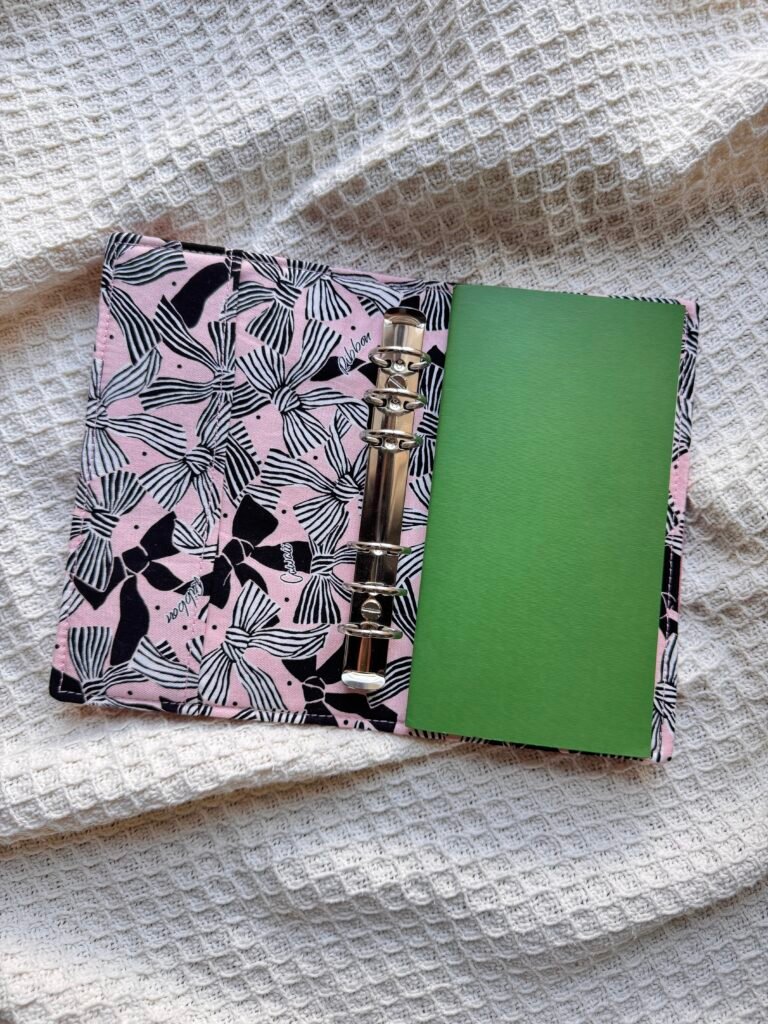
Discover how to start mindful journaling, reduce stress, and gain clarity. A beginner-friendly guide to slowing down and connecting with your thoughts.

Mindful journaling is more than just putting pen to paper—it’s a practice that encourages you to slow down, connect with your thoughts, and develop a greater sense of self-awareness. It’s a simple yet powerful tool that can reduce stress, improve mental health, and bring clarity to your everyday life.
Whether you’re dealing with a racing mind or just looking for a way to pause and reflect, mindful journaling can help. Here’s everything you need to know to get started and just because it says that it’s an ‘Ultimate Guide’… it won’t take you 30hours to read. Enjoy.
What Is Mindfulness, and How Does It Relate to Journaling?
Mindfulness is the practice of being fully present in the moment without judgment. It means focusing your attention on what you’re experiencing right now—your thoughts, emotions, and surroundings—rather than dwelling on the past or worrying about the future.
When applied to journaling, mindfulness allows you to tune into your inner world. Instead of simply recounting events, you explore how you feel about them, uncover patterns in your thoughts, and gain deeper insights into yourself.
Mindful journaling creates a safe space for you to express yourself without fear of judgment. It’s not about being perfect—it’s about being honest and present.
Getting Started with Mindful Journaling
Starting a mindful journaling practice is easy and doesn’t require any special tools. Here are some tips to help you begin:
- Find a Quiet Space
Choose a spot where you can focus without distractions. It could be a cozy corner of your home, a park bench, or even your car during a quiet moment. - Set Aside Time Daily
Dedicate at least 10 minutes each day to journaling. It’s not about how long you write but about building a consistent habit. - Let Your Thoughts Flow
Begin by writing about your day, your emotions, or anything on your mind. Don’t overthink it—just let your words flow naturally. - Forget About Perfection
This isn’t an essay or a social media post. Don’t worry about grammar, spelling, or making your handwriting neat. Just focus on expressing yourself authentically. - Be Patient
Mindfulness takes practice. You may feel awkward or unsure at first, but over time, you’ll find your rhythm.
Journaling Prompts to Inspire Your Practice
If you’re not sure where to start, try these prompts:
- What are you grateful for today?
- How do you feel right now, and why?
- What was the best part of your day?
- What challenges did you face, and how did you handle them?
- What’s something you’re looking forward to?
- What’s a recurring thought or emotion you’ve noticed lately?
- What’s a small win you achieved today?
These prompts can help you focus your thoughts and deepen your journaling practice.
If you need something handy, I’ve created a journal prompt list you can print and keep with you—perfect for whenever you need a little extra inspiration.
Why Mindful Journaling Works
- Reduces Stress
By putting your thoughts on paper, you release mental clutter and gain clarity. It’s like having a conversation with yourself—one that helps you untangle your emotions. - Builds Self-Awareness
Regular journaling helps you notice patterns in your thoughts and behaviors. Over time, you’ll better understand what triggers your emotions and how to respond to them. - Enhances Creativity
Writing freely sparks ideas and encourages creative expression. You might even discover new perspectives or solutions to problems.
Tips for a Successful Journaling Journey
- Start Simple: Use any notebook or even scrap paper. The content matters more than the container.
- Set a Timer: Limit yourself to 10 minutes to keep your journaling focused and manageable.
- Review Your Entries: Occasionally, read back through your journal to see how you’ve grown or changed.
- Experiment with Styles: Not every day has to be the same. Try free writing, bullet journaling, or adding sketches and doodles.
- Have Fun: Treat journaling as a creative and enjoyable activity. There’s no right or wrong way to do it.
Mindful Journaling: A Path to Self-Discovery
Journaling is a deeply personal practice, and there’s no one-size-fits-all approach. Some days, you might reflect on gratitude; other days, you might explore challenges or dreams.
The beauty of mindful journaling is its flexibility—it evolves with you. As you build your habit, you’ll notice changes in how you think, feel, and respond to the world around you.
So grab a notebook, find a quiet spot, and give mindful journaling a try. It’s a simple step toward greater self-awareness, stress relief, and personal growth.
Happy Journaling!
Mindful journaling is more than a habit; it’s a journey. Start small, stay consistent, and enjoy the process. Let’s see where this path takes you!
Here are some useful items to start your journey with journaling.
A notebook that i love and a pen. That’s all.
Enjoy.
And if you want to know more about different types of journaling, please have a look at my other post where I describe 9 different types of journaling.