Why My Journal Is the Best Therapist I Never Knew I Had

Today i am here to convince you that Journaling is good for you. Yes, you and your ADHD brain. I have heard a bunch of people on social media saying that just buying another notebook won’t make it happen for us but hear me out. I even did some research to back it up so…
I never expected a notebook to play the role of a therapist. But that’s exactly what my journal has become—the best therapist I never knew I had. No hourly fees, no stress before the session. Just me, my thoughts, and the page.
Living with ADHD, my brain often feels like a browser with fifty tabs open at once. There’s constant buzzing—ideas, reminders, emotions. Journaling turned out to be the one place where all of that could land safely, without disappearing or overwhelming me.
Why ADHD Brains Need Paper
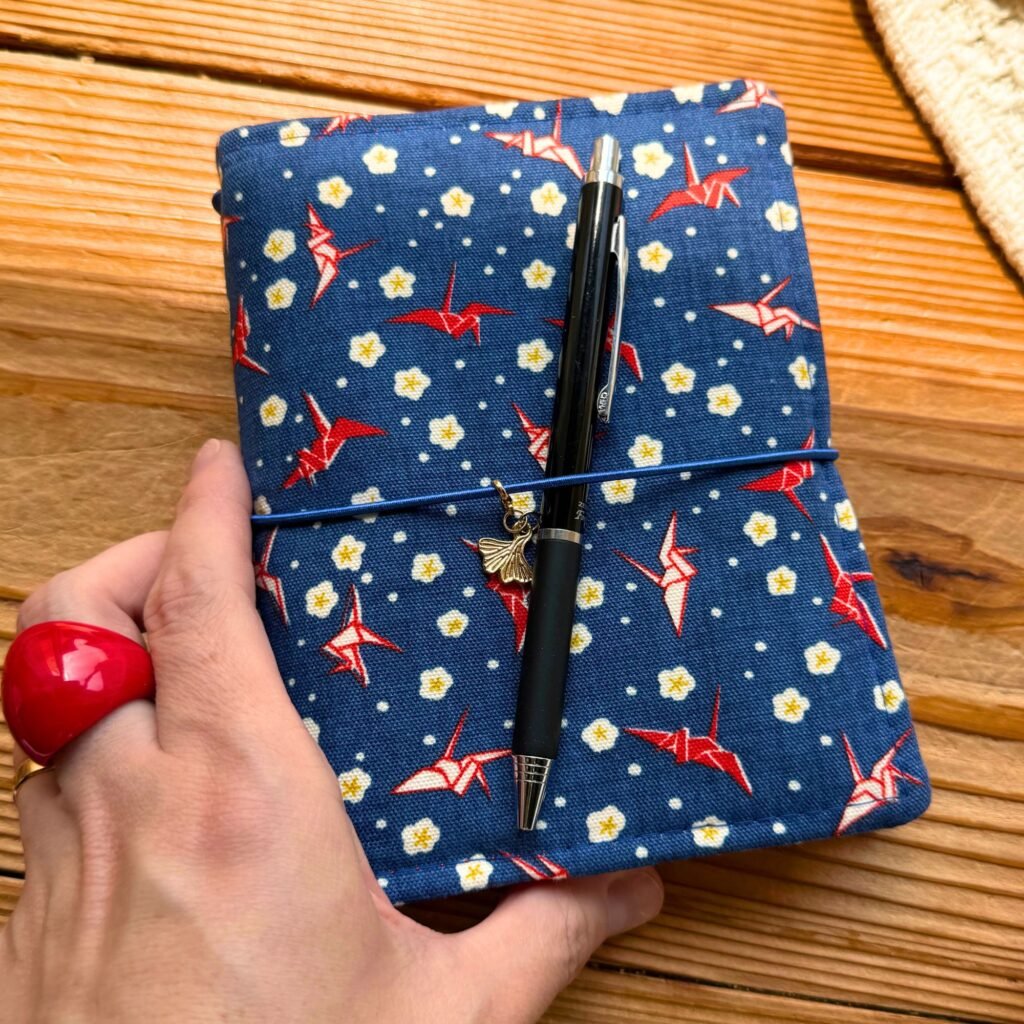
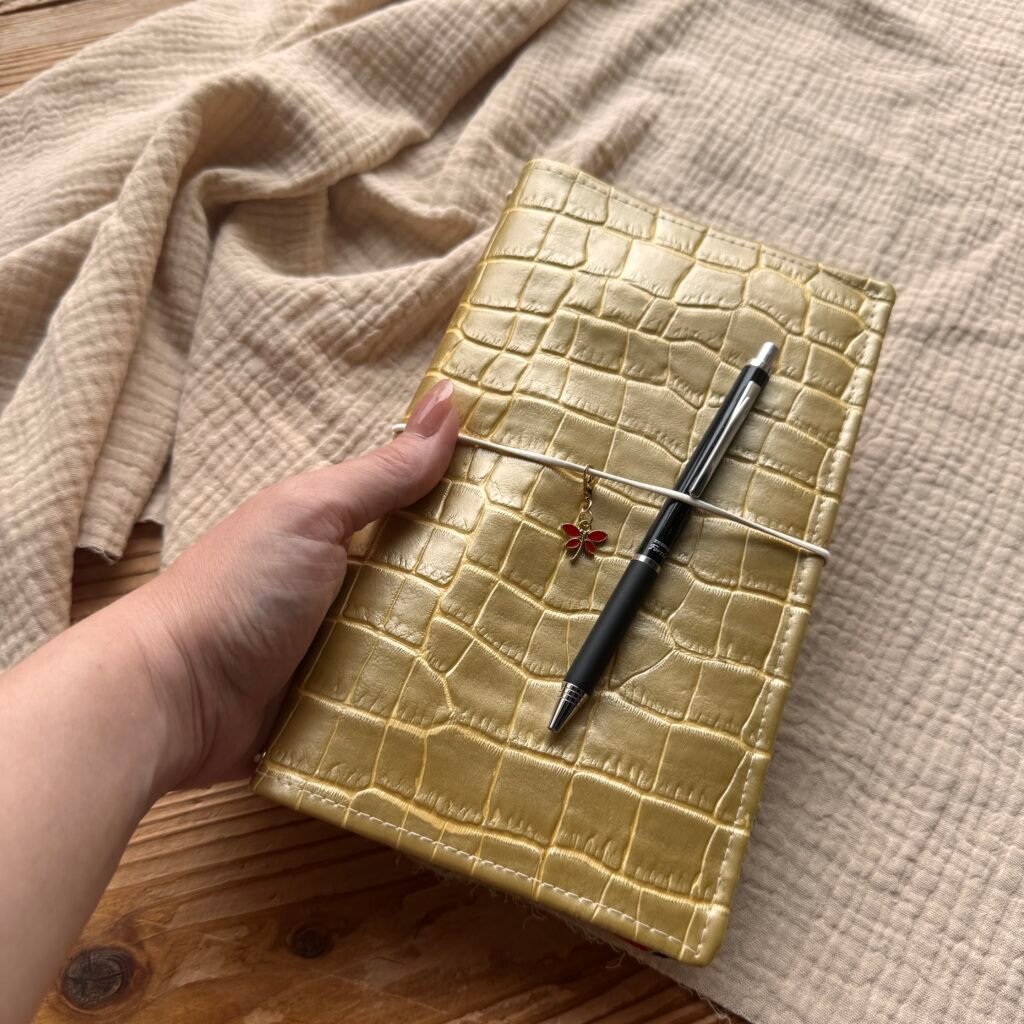
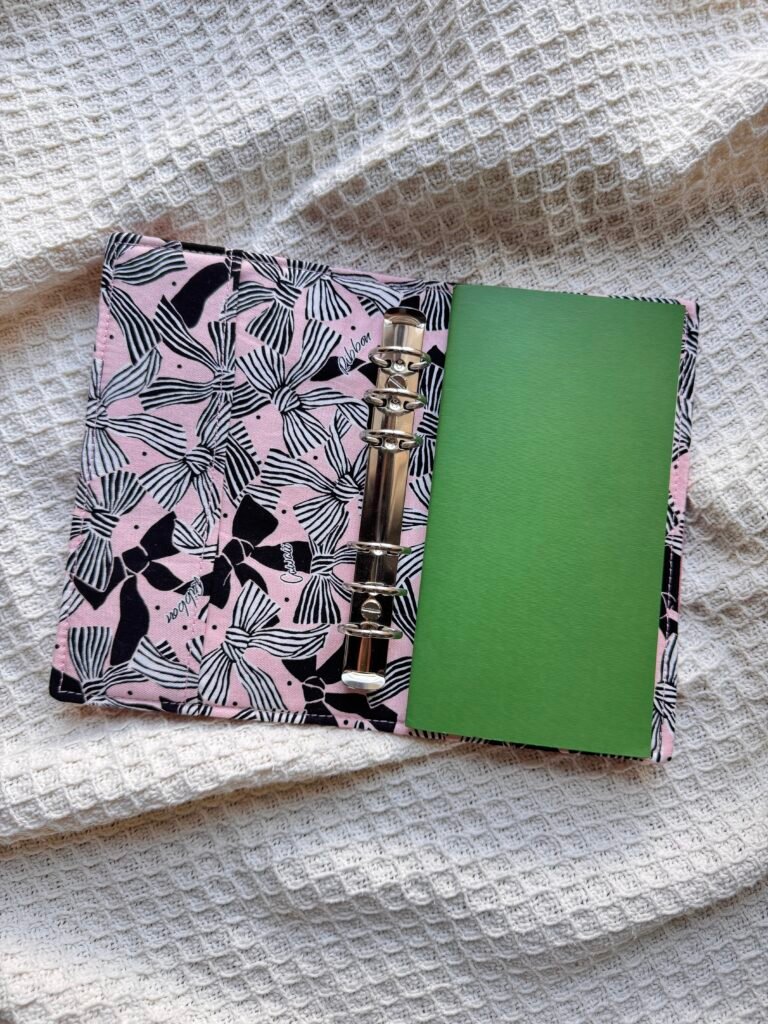
One of the trickiest things about ADHD is memory. Thoughts fly in and out like birds, and if I don’t catch them immediately, they’re gone. My journal became my landing pad—a place to drop ideas, grocery lists, worries, and everything in between. And do not be fooled my friend! There is not only one journal but a bunch of them scattered around my house. I do have ADHD appropriate notebook addiction by the way. Anyways… where was I…
Have you ever heard of cognitive offloading? Instead of keeping everything spinning in your head, you let the notebook hold it. Once it’s on paper, my brain relaxes. The thought doesn’t vanish, but I don’t need to cling to it either.
That simple act—pen on paper—has saved me from endless overwhelm.
A Quiet Space for Loud Feelings
ADHD isn’t just about distraction. It also comes with emotional intensity. Some days, feelings hit like tidal waves: joy, frustration, sadness, excitement—all at once.
Journaling helps me process that. The moment I write down what I feel—I’m angry that I can’t get this thing done—the emotion softens. It doesn’t disappear, but the page absorbs some of the weight.
Research calls this affect labeling: naming feelings reduces their intensity. And it really works. Writing feels like telling a trusted friend, only the friend is my notebook.
The Routine I Didn’t Know I Needed
Here’s the funny thing: I’ve never been great at routines. ADHD brains crave novelty, and I’ve abandoned more planners and apps than I can count. But journaling stuck, because I allowed it to be messy.
Some days it’s one rushed line. Other days, five pages of rambling. Sometimes I doodle instead of writing. And that’s okay. The point is not perfection—it’s showing up.
Over time, this became my anchor. Even five minutes in the morning gave me a sense of structure in an otherwise unpredictable day. A small ritual, but grounding in a way I didn’t expect.
Seeing Myself More Clearly
One of the most surprising gifts of journaling is looking back. A month later ( sometimes few years later:-P) I flip through my messy pages and notice patterns:
- The tasks that trigger procrastination.
- The situations that send me spiraling emotionally.
- The weeks when things actually flow, and why.
This is therapy work—spotting connections you can’t always see in the moment. My journal became a mirror, showing me not just what I was feeling, but why.
The Research Agrees
It’s not just my experience. Studies show journaling can:
- Lower stress, anxiety, and depression.
- Help regulate emotions.
- Improve problem-solving and clarity.
For ADHD brains, it can also boost focus, self-awareness, and even self-esteem. Basically, science confirms what I’ve felt: journaling heals.
How I Journal with ADHD
If you’ve tried journaling before and abandoned it after a week, or after a first paragraph, you’re not alone. Here’s what’s worked for me:
- Keep it short. One sentence is enough. I wrote a blog post about micro journalig. Your can check it out here.
- Use prompts. Questions like “What’s on my mind right now?” or “What do I need right now?” help me get started.
- Anchor it. I write after my coffee. That little link keeps me consistent.
- Make it messy. No rules, no pressure. Doodles, half-sentences—it all counts.
- Look back. That’s where you spot patterns and progress.
- Be kind. Skipped a week? Fine. The page is still waiting when you’re ready.
Why It Feels Like Therapy
No, my journal doesn’t replace a real therapist (and I don’t advocate for skipping therapy—it helped me tremendously). But what journaling gives me is this:
- A judgment-free space.
- A way to calm emotions instead of being swept away.
- A record of thoughts and patterns I’d otherwise forget.
- A mirror to understand myself better.
That’s why it feels therapeutic. It’s not advice, but it is healing.
Final Thoughts
When I first started journaling, I thought it would just be a place to jot notes. I didn’t realize it would become a lifeline. My journal has been with me through meltdowns, breakthroughs, and everything in between.
It’s not about neat handwriting or consistent daily entries. It’s about showing up, even imperfectly. Giving your thoughts and feelings a safe place to land.
And maybe, just maybe, discovering that the best therapist you never knew you had has been sitting quietly on your desk all along.
As if this was not enough of my journaling addiction- all started with buying tons of notebooks, I also make notebook covers. And guess what, i have started making them because i needed a space for all my notebooks. Anyway, please check them out in my Etsy shop, you just might find one you like.